On this page
Hiking with your dog works best when you choose a dog-friendly trail, follow its leash rules, pack water and waste bags for your dog, and match the distance to your dog’s fitness. On the trail, keep your dog under control, yield to other hikers, pack out every bag of poop, and keep your dog away from wildlife.
Dogs can make great hiking partners, but trails are shared spaces with rules that protect people, wildlife and the dogs themselves. This guide covers the common trail rules, what to pack, how to prepare your dog, and how to handle heat, water, wildlife and other hikers.
Key takeaways
- Always check whether dogs are allowed before you go. Rules vary between parks, forests and trail systems.
- Where dogs are allowed in US national parks, they must be on a leash no longer than six feet.
- Pack water, a bowl, waste bags, a leash, ID tags and a basic dog first aid kit.
- Build your dog’s distance gradually, and ask your vet before big hikes, especially for puppies and older dogs.
- Heat, rough terrain and wildlife are the biggest risks, so watch your dog closely and turn back early if needed.
What are the main rules for hiking with a dog?
The main rules for hiking with a dog are to check that dogs are allowed, keep your dog leashed where required, pick up and pack out all waste, keep your dog away from wildlife, and keep it under control around other hikers. Many land managers sum up these expectations in short, easy-to-remember rules for pet owners.
The National Park Service uses the B.A.R.K. principles for pets, which work well anywhere you hike:
- Bag your pet’s waste and carry it out.
- Always use a leash.
- Respect wildlife by keeping your dog away from animals.
- Know where you can go, since pets are not allowed everywhere.
At national park sites that allow pets, the leash must be no more than six feet long, according to NPS guidance. These rules connect closely with the wider ideas in Leave No Trace principles explained, which apply to dogs as much as people.
Where are dogs allowed on trails?
Dogs are allowed on many trails, but rules vary widely. In the US, national forests and many state parks often allow leashed dogs on trails, while national parks often limit pets to developed areas, campgrounds and a small number of trails. Local parks, private preserves and some wilderness areas set their own rules.
| Land type | Typical dog rules | What to check |
|---|---|---|
| National parks | Often limited to roads, campgrounds and certain trails | Each park’s pet page |
| National forests | Often allowed, usually leashed in developed areas | Local ranger district rules |
| State and provincial parks | Often allowed on leash, with exceptions | Park website or signs |
| City and county parks | Varies, some have off-leash zones | Posted signs and local rules |
| Wildlife refuges and preserves | Often restricted or banned | Site regulations |
Always check the official website for the specific park or trail before you go, then read signs at the trailhead. Rules can change for nesting seasons, wildlife activity or trail damage.
Regional notes for UK, Canada and Australia
In the UK, the Countryside Code on gov.uk asks walkers to keep dogs under effective control and on a lead around livestock and in certain seasons. In Canada, national parks generally require dogs to be on a leash. In Australia, many national parks do not allow dogs at all, so check each park before you plan a walk.
How do you know if your dog is ready for hiking?
Your dog is ready for hiking if it is healthy, comfortable walking on a leash for long periods, responds to basic commands, and has built up fitness on shorter walks. Age, breed, size and coat all matter. Talk to your vet before starting, especially with puppies, older dogs, flat-faced breeds or dogs with health conditions.
Signs your dog is ready:
- It walks well on a leash without constant pulling.
- It comes back when called and responds to “sit,” “wait” or “leave it.”
- It stays calm around other dogs, people, bikes and horses.
- It can handle a long neighborhood walk without seeming exhausted.
- Its vaccinations and parasite prevention are up to date, as advised by your vet.
Puppies are still growing, so ask your vet when longer or steeper hikes are appropriate. Older dogs may still love hiking but often need shorter, flatter routes and more rest. Dogs with thick coats or short noses can overheat more easily in warm weather.
Tip: Practice “leave it” at home and on neighborhood walks before your first hike. It is one of the most useful commands for avoiding wildlife, trash and other dogs on the trail.
What should you pack when hiking with your dog?
When hiking with your dog, pack water and a collapsible bowl, waste bags, a sturdy leash, ID tags, treats or food, and a basic dog first aid kit. Add a towel, a light jacket for cold weather, and paw protection for rough or hot ground. Carry more water than you think your dog will need.
Dog hiking checklist:
- Fixed-length leash, plus a backup.
- Collar or harness with ID tags and current contact details.
- Water and a collapsible bowl.
- Waste bags and a sealed bag or container to carry used ones.
- Treats for training and energy, and food for longer hikes.
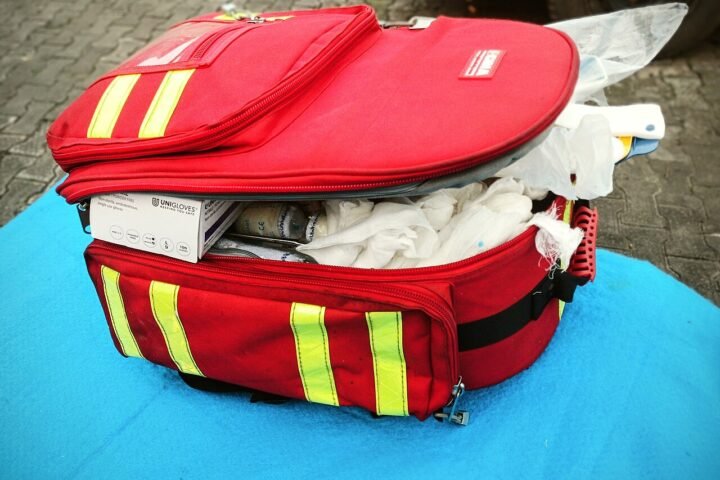
- Dog first aid supplies such as gauze, a bandage wrap and tweezers.
- Towel for wet or muddy dogs.
- Booties or paw balm for rough, icy or hot surfaces.
- Dog jacket for cold weather, if your dog needs one.
- Bright or reflective collar, vest or light.
Some dogs can carry their own pack once they are fit and used to it. Introduce a dog pack slowly, keep the load light, and check for rubbing. Do not use a pack on puppies without your vet’s advice.
Your own ten essentials still apply. A dog does not replace navigation, layers, a headlamp or first aid for you.
How should your dog behave on the trail?
Your dog should stay close, under control and calm on the trail. Keep it leashed where required, step aside so others can pass, keep it from jumping on people, and never let it chase wildlife. Good trail etiquette means other hikers should barely notice your dog is there, apart from a friendly wave.
Trail etiquette with a dog:
- Shorten the leash and step to the side when others pass.
- Ask before letting your dog greet another person or dog.
- Give horses plenty of space, and follow riders’ instructions.
- Keep your dog off fragile vegetation and out of sensitive areas.
- Stop barking quickly and move away if your dog becomes stressed.
- Keep your dog out of drinking water sources and swimming areas when posted.
Popular trails get crowded, and not everyone is comfortable with dogs. Our guide on how to hike responsibly on busy trails covers passing, sharing narrow paths and timing visits for quieter hours.
How do you deal with dog poop on the trail?
Dealing with dog poop on the trail means bagging it right away and carrying the bag out to a trash can. Do not leave bags beside the trail to collect later, because they are easily forgotten. Dog waste can spread bacteria and parasites, harm water quality and spoil the trail for everyone else.
Simple ways to make this easier:
- Carry plenty of bags, more than you expect to need.
- Use a sealable container, odor-proof bag or bag holder clipped to the leash or pack.
- Pick up immediately, before you forget the spot.
- Let your dog go before the hike, at the trailhead or at home.
In some backcountry areas, land managers allow burying dog waste in a cathole like human waste, but this varies. Check the rules before you go. Our guide on how to go to the bathroom outdoors explains catholes and packing out waste for people.
How do you keep your dog safe from heat, water and terrain?
You keep your dog safe from heat, water and terrain by hiking in cooler hours, carrying plenty of water, taking frequent shaded breaks, and avoiding hot pavement, sharp rock and risky water. Dogs cool mainly by panting and cannot shed heat as well as people can, so they can overheat quickly on warm days.
Warning signs of overheating in dogs include heavy panting, drooling, weakness, stumbling, vomiting or collapse. If you see these, stop, move your dog to shade, offer small amounts of water, and cool it gently with water on its body. Treat severe signs as an emergency and get your dog to a vet as quickly as possible.
Heat precautions:
- Hike early in the morning or in the evening on warm days.
- Choose shaded trails near water.
- Rest often and offer water at every break.
- Test the ground with your hand. If it is too hot to hold for a few seconds, it is too hot for paws.
- Turn around early if your dog slows down or seeks shade.
Our guide on heat safety for hikers covers the same warning signs and planning for people.
What about water and swimming?
Many dogs love water, but it can bring risks. Keep your dog out of fast-moving streams and away from steep banks. Avoid letting it drink or swim in water that looks discolored, scummy or has a green or blue film, since some algal blooms can be harmful to pets. Carry clean water rather than relying on streams.
What about rough terrain and paws?
Sharp rocks, ice, snow and hot surfaces can damage paw pads. Check your dog’s paws at breaks for cuts, thorns or worn pads. Booties can help, but dogs need practice wearing them at home first.
How do you protect your dog from wildlife, ticks and plants?
You protect your dog from wildlife, ticks and plants by keeping it leashed and close, checking it for ticks after every hike, and keeping it away from plants you do not recognize. A leashed dog is far less likely to chase, disturb or get hurt by wild animals, and less likely to pick up hitchhikers like ticks or burrs.
Wildlife tips:
- Keep your dog leashed in areas with bears, moose, coyotes, snakes or other large animals.
- Never let your dog chase or approach wildlife.
- Store dog food the same way as human food at camp in bear country.
- Make noise in thick brush so animals hear you coming.
A dog that runs ahead can surprise an animal and bring it back toward you. For more on safe distances and encounters, read our guide to wildlife safety on the trail.
After each hike, run your hands over your dog’s coat, especially around the ears, neck, armpits, belly and between the toes, and remove any ticks carefully. Ask your vet about tick prevention for your area. Poison ivy oils can stay on a dog’s fur and transfer to people, so wash your dog if it has run through it, and wear gloves while you do.
| Risk | Prevention | What to do if it happens |
|---|---|---|
| Overheating | Cool hours, shade, water, short hikes | Shade, water, cool gently, see a vet if severe |
| Ticks | Leash, stay on trail, vet-advised prevention | Remove carefully, watch for illness |
| Wildlife | Leash, noise, stay close | Back away calmly with your dog |
| Paw injuries | Booties, paw checks, avoid hot ground | Clean, cover, carry if needed |
| Unsafe water | Carry clean water, avoid algae | Rinse dog, call a vet if unwell |
How do you take your dog camping?
Taking your dog camping means checking that the campground allows pets, keeping your dog leashed and supervised at all times, managing food and noise, and bringing a bed or pad so it sleeps warm. Never leave your dog alone at camp or tied up unattended, especially in hot weather or wildlife areas.
Camping with a dog:
- Bring a sleeping pad or blanket for your dog.
- Keep food and treats stored securely, especially in bear country.
- Keep your dog away from the campfire and hot cooking gear.
- Check fire rules before you light anything. Our guide to campfire rules and fire bans explains what to look for.
- Pick up waste around your site as you go.
If you are new to camping in general, start with our camping for beginners complete guide before adding a dog to the plan.
What are common mistakes when hiking with a dog?
Common mistakes when hiking with a dog include not checking if dogs are allowed, overestimating your dog’s fitness, carrying too little water, letting the dog off leash where it is not allowed, and leaving waste bags behind. Most problems come from planning for the human hike and forgetting the dog has different needs.
- Skipping the rules check. Look up the specific park or trail before you go.
- Going too far, too soon. Build distance gradually, like you would for yourself.
- Hiking in the heat of the day. Choose cooler hours and shaded trails.
- Forgetting water for your dog. Do not rely on streams.
- Leaving bags by the trail. Carry them out the whole way.
- Using a long retractable leash. It gives less control and may break the six-foot rule in parks.
- Letting your dog greet everyone. Ask first, and respect people who prefer space.
Tip: Choose an easy trail you know well for your dog’s first few hikes. Our guide on how to choose a hiking trail for your level works just as well for picking a dog-friendly first route.
Frequently asked questions
How far can a dog hike?
How far a dog can hike depends on its age, breed, size, fitness and the weather. Many healthy adult dogs can build up to longer hikes over time, while puppies, older dogs and flat-faced breeds need much shorter outings. Start short, increase gradually, and ask your vet what is sensible for your dog.
Do dogs need to be on a leash on hiking trails?
Many trails require dogs to be leashed, and US national park sites that allow pets require a leash no longer than six feet. Some trails and off-leash areas allow voice control, but only if your dog reliably comes when called. Always check the posted rules and keep a leash with you either way.
How much water does a dog need on a hike?
Dogs need regular water on a hike, and they need more in hot weather and on longer or steeper trails. There is no single amount for every dog, so carry more than you think you need and offer water at every break. Your vet can suggest a typical amount for your dog’s size.
Can I bring my dog to national parks?
You can bring your dog to many US national parks, but usually only to certain areas such as roads, campgrounds, picnic areas and a few trails. Many park trails and backcountry areas do not allow pets. Check the pet page for the specific park before you go, and follow the B.A.R.K. principles.
What should I do if my dog gets hurt on the trail?
If your dog gets hurt on the trail, stop, keep it calm and check the injury. Clean and cover small cuts with your first aid kit. For heavy bleeding, signs of heatstroke, suspected broken bones or collapse, head out carefully and contact a vet as soon as possible. Carry small dogs if needed.
Sources and further reading
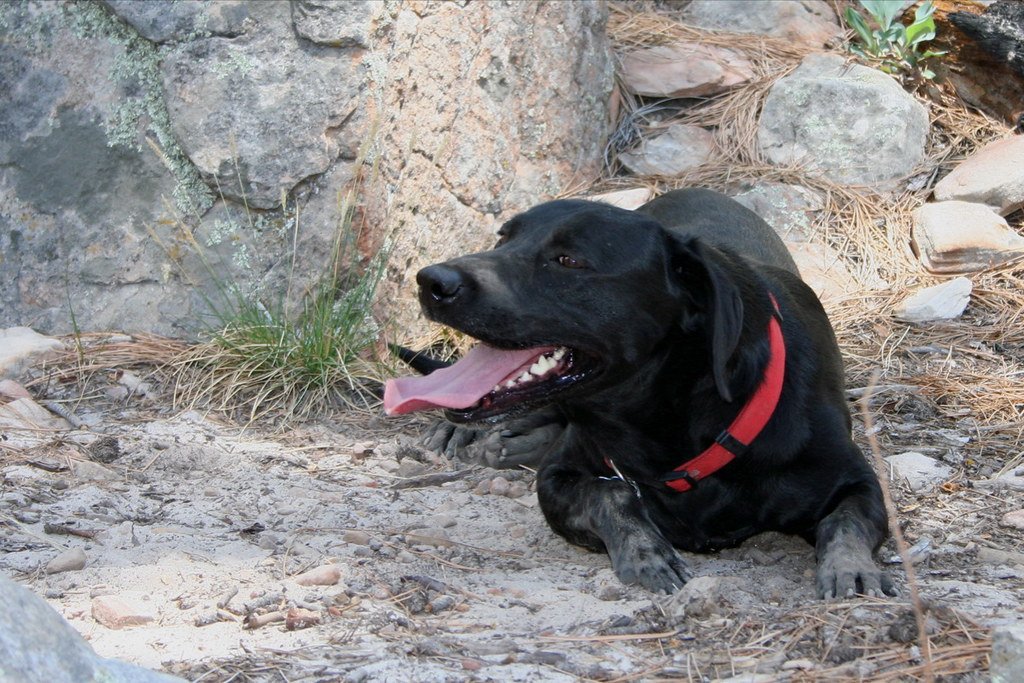
Featured photo: cogdogblog via Openverse (CC0).