On this page
To plan a simple outdoor weekend, pick one main activity, choose a place within easy reach, check the weather a few days ahead and build a loose two-day plan with a backup. Pack a small kit based on that activity, then leave room for rest, good food and an early night, so you come home refreshed rather than worn out.
A good outdoor weekend does not need a big trip or expensive gear. It needs a little planning on Thursday or Friday and a willingness to keep things easy. This guide gives you a range of ideas, a step-by-step plan, sample schedules and a short packing list you can reuse every time.
Key takeaways
- Choose one main activity for the weekend and add one or two easy extras, instead of trying to fit in everything.
- Stay close to home for most weekends: shorter travel means more time outside and less stress.
- Check the forecast two or three days ahead and again the night before, and keep an indoor or lower-effort backup.
- Pack around your main activity, with water, snacks, layers and basic safety items as the core.
- Plan recovery into Sunday so you start the week feeling better, not more tired.
What are some simple outdoor weekend ideas?
Simple outdoor weekend ideas include a local hike, a bike ride on a paved trail, a picnic and walk at a park, a lake or beach day, a first paddle on calm water, an overnight car camping trip, stargazing or a nature reserve walk. The best choice is one that fits your energy, weather and budget.
Here are ideas sorted by how much planning and effort they take:
| Idea | Effort | Planning | Good for |
|---|---|---|---|
| Park picnic and short walk | Low | Low | Families, rest weekends |
| Nature reserve or botanic garden walk | Low | Low | Wildlife, photography |
| Local day hike | Moderate | Moderate | Fitness, views |
| Paved rail trail bike ride | Low to moderate | Low | Mixed groups, kids |
| Lake or beach day | Low | Low | Hot weather |
| Beginner paddle on calm water | Moderate | Moderate | Trying something new |
| Overnight car camping | Moderate | Moderate to high | A full break from home |
| Sunrise or sunset walk | Low | Low | Busy weekends |
| Stargazing evening | Low | Moderate | Clear, moonless nights |
If you want more ideas to try, our list of beginner outdoor activities to try covers options from trail running to birdwatching. For a first time on the water, read kayaking for beginners before you book a rental.
How do you choose the right outdoor activity for your weekend?
Choose the right outdoor activity by matching it to three things: how much energy you have this week, who is coming with you and what the weather is likely to do. A tired week calls for a gentle walk or picnic, while a fresh week and a clear forecast suit a longer hike, ride or paddle. Pick one main event.
Ask these questions before you decide:
- Energy: Do you want to rest or push yourself a little?
- Group: Are you going alone, with a partner, with friends or with kids? Plan for the least experienced person.
- Weather: Is it hot, wet, cold or windy? Some activities suit some conditions much better than others.
- Time: How many hours can you really spend outside, including travel?
- Budget: Do you need to rent anything or pay for parking, entry or a campsite?
If you struggle to get outside regularly, start with the simplest option that you will actually do. Our guide on how to get outside more often explains how small, repeatable outings build a lasting habit.
How do you plan an outdoor weekend step by step?
Plan an outdoor weekend step by step by choosing your activity, picking a nearby location, checking access and weather, drafting a loose two-day schedule, packing the night before and telling someone your plan. Keep the plan simple and flexible, so a change in weather or energy does not ruin the weekend.
Follow these steps:
- Choose your main activity and one easy extra, such as a hike plus a picnic.
- Pick a location within a reasonable drive, bus ride or bike ride.
- Check opening hours, parking, entry passes, reservations and any trail or park alerts on the official website.
- Look at the forecast two or three days ahead and again the night before.
- Draft a simple schedule: morning activity, lunch, afternoon rest or extra.
- Choose a backup plan for bad weather, such as a shorter walk or an indoor option.
- Pack your kit on Friday evening, using a checklist.
- Leave your plan with someone at home if you are hiking, paddling or camping.
- Set an alarm for an early start if the location is busy or the day will be hot.
- Plan an easy Sunday evening so you are ready for the week.
For a hike as your main activity, our guide on how to plan a day hike goes into more detail on trail choice, timing and turnaround points.
Tip: Keep a small “weekend bag” ready with your basic kit, such as a water bottle, a rain jacket, sunscreen and a first aid kit. It removes the hardest part of getting out the door.
What does a simple outdoor weekend schedule look like?
A simple outdoor weekend schedule usually has one active block per day, a relaxed meal and time to rest. Saturday holds the main activity, often in the morning when trails are quieter and temperatures cooler. Sunday is lighter, with an easy walk, a picnic or a slow morning, and an early return home.
Here are two sample schedules. Adjust the times to your area and season.
| Time | Day-trip weekend | Overnight camping weekend |
|---|---|---|
| Saturday morning | Drive to trailhead, main hike | Drive to campsite, set up camp |
| Saturday midday | Picnic lunch near the trail | Short hike or walk from camp |
| Saturday afternoon | Rest, short walk in town or park | Rest, read, explore the lake or shore |
| Saturday evening | Dinner at home or out | Camp dinner, stargazing |
| Sunday morning | Easy walk or bike ride | Slow breakfast, short walk |
| Sunday midday | Picnic or brunch | Pack up camp, head home |
| Sunday afternoon | Rest, stretch, unpack | Unpack and dry gear |
For an overnight trip, our car camping checklist and guide on how to choose a campsite cover the extra planning involved.
What should you pack for an outdoor weekend?
Pack for an outdoor weekend based on your main activity, with a core kit that works for most outings: water, snacks, layers, a rain jacket, sun protection, a small first aid kit, a charged phone and a map. Add activity-specific items, such as a bike helmet, paddling gear or a tent, and change clothes for the drive home.
Use this core list for most day outings:
- Water bottle or hydration bladder, with enough for the conditions.
- Snacks and a simple lunch.
- Rain jacket and a warm layer.
- Sun hat, sunglasses and sunscreen.
- Comfortable walking shoes or trail shoes.
- Small first aid kit and any personal medicines.
- Phone, charged, with offline maps or a paper map.
- Small bag for trash, so you can take everything home.
For a fuller list, see our walking gear checklist for beginners. If you are staying overnight, our weekend trip packing list covers clothes and personal items.
Hydration matters even on short outings, especially in heat. Our guide on how to stay hydrated during outdoor activities explains how to plan water for different conditions.
How do you keep an outdoor weekend low cost?
Keep an outdoor weekend low cost by staying close to home, using free public parks and trails, packing your own food, sharing rides and borrowing or renting gear rather than buying it. Many of the best outdoor weekends cost little more than fuel and snacks. Bigger costs usually come from travel, lodging and gear purchases.
Try these ideas:
- Go local: City parks, nature reserves and nearby state or regional parks are often free or low cost.
- Pack food: A picnic or a simple camp meal saves money over eating out.
- Share transport: Carpool with friends or use public transit to trailheads where possible.
- Borrow or rent: Ask friends or check local outdoor clubs, libraries or rental shops before buying gear.
- Use passes wisely: If you visit the same parks often, an annual pass may cost less than daily fees. Check the official park website.
How do you stay safe on an outdoor weekend?
Stay safe on an outdoor weekend by choosing activities within your ability, checking the weather and any alerts before you leave, telling someone your plan, carrying water and layers and turning back if conditions change. Most problems on short outings come from heat, cold, storms, dehydration or getting lost, and simple habits prevent most of them.
Build these habits into every outing:
- Check the forecast and any park or trail alerts on the morning you leave.
- Tell a friend or family member where you are going and when you expect to return.
- Start early in hot weather and avoid exposed areas when storms are forecast.
- Warm up gently before you start. Our guide on how to warm up before a hike or walk shows simple moves.
- Drink and eat regularly, not only when you feel thirsty or hungry.
- Turn back if you feel unwell, the weather turns or the route is harder than you expected.
For water activities, wear a life jacket and stay close to shore on your first trips. For any emergency, call 911 in the US and Canada, 999 or 112 in the UK, or 000 in Australia.
How do you recover after an active weekend?
Recover after an active weekend by eating a good meal, drinking water, stretching gently, getting a full night’s sleep and keeping Monday’s workout light. Unpack and dry your gear on Sunday evening, so it is ready for next time. A short, easy walk the next day often helps sore legs feel better more quickly.
Simple recovery habits:
- Eat a balanced meal with carbohydrates and protein after your main activity.
- Drink water through the afternoon and evening.
- Do a few minutes of gentle stretching for calves, thighs and hips.
- Aim for an early night on Sunday.
- Keep the next day’s exercise light or take a rest day.
If your weekend included a long or hilly hike, read our guide on how to recover after a long hike for more detail.
Common mistakes when planning an outdoor weekend
The most common mistakes are trying to do too much, driving too far for a short stay, ignoring the weather, starting too late and forgetting that Sunday needs rest. Another frequent mistake is buying new gear before trying an activity, when renting or borrowing would show whether you enjoy it first.
Watch for these:
- Overloading the schedule: Two big activities in one day can leave everyone tired and short tempered.
- Long drives: If you spend more time driving than outside, choose somewhere closer.
- No backup plan: Rain can cancel a hike, but a shorter forest walk or museum visit can save the day.
- Late starts: Popular places fill up, and afternoons can be hot or stormy.
- Skipping the checklist: Forgotten water, layers or sunscreen can end a day early.
- Not leaving a plan: Tell someone where you are going, especially for hikes and paddles.
If weekends are your only free time, our guide to outdoor habits for busy people has ideas for fitting nature into the rest of the week too.
Frequently asked questions
What is a good outdoor activity for a first weekend outside?
A short local walk or easy day hike is a good first choice because it needs little gear, little planning and no special skills. A picnic in a park or a bike ride on a paved trail also works well. Choose something close to home, keep it short and build up as your confidence grows.
How far should you travel for an outdoor weekend?
For most weekends, stay within a short drive or transit ride, so you spend more time outside than in transit. A longer trip can make sense for an overnight stay or a special place. A useful rule of thumb is to keep travel time well below the time you plan to spend outdoors.
What should you do if it rains on your outdoor weekend?
Check the forecast for timing, since rain may only fall for part of the day. Switch to your backup plan, such as a shorter forest walk, a covered picnic area or an indoor activity. Avoid exposed areas during thunderstorms. A rain jacket and dry change of clothes keep a damp day comfortable.
Can you plan an outdoor weekend with kids?
Yes. Choose short, varied activities with interesting stops, such as a stream, a playground or a viewpoint. Plan around the youngest child’s energy, bring extra snacks and water, and keep the schedule loose. Let kids help pack and choose parts of the plan, which makes them more likely to enjoy the day.
Sources and further reading
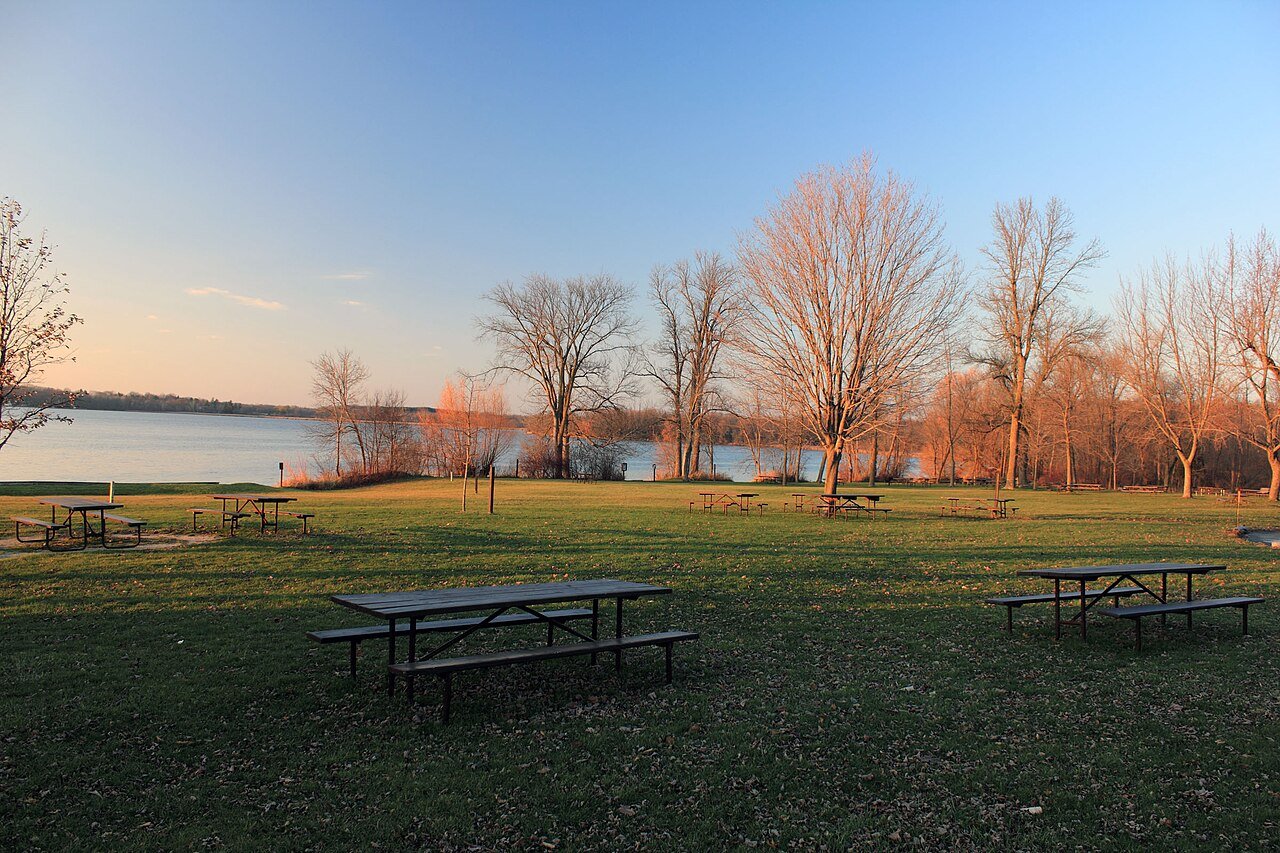
Featured photo: Archbob via Openverse (CC0).